The disintegrator machine: it’s durable, strong, and meant to process tough material easily and efficiently. Because of these traits, most people think they can buy size reduction equipment, dump material into it, and just walk away. In some cases, this assumption isn’t unfounded – many food processing experts are familiar with batch equipment which allows you to do just that.For continuous food processing, though, like the processing of cheese for pizza toppings, that’s not the case. Instead, you need a metered feed. In this piece, we’ll dive into the importance of a metered feed, and how to create it for your size reduction equipment.
Two Primary Benefits of a Food Disintegrator Metered Feed
Generally speaking. Most pieces of size reduction equipment require a metered feed. This is true for the following reasons:
More efficient material processing. If you dump material into a food disintegrator, the grinder will consume as much product as it has the horsepower to consume. If you drop a barrel of onions into the disintegrator, for example, it will try to process all of those onions in a millisecond. However, usually the machine doesn’t have sufficient HP to do that, so it will typically jam, causing it to stall completely. Metered feeds, on the other hand, allow the food disintegrator to process material entirely and efficiently at a prescribed or ‘metered’ rate, rather than becoming overwhelmed by a large batch of material all at once.
Improved consistency. Metered feeds improve product consistency. Instead of creating product-on-product grinding, metered feeding results in consistency and diminishes product kickback and heat-related issues.
How to Create Metered Feeding
The traditional way to facilitate a metered feed is to have a person do it. To put this another way, to have someone hand-feed the machine from a five-gallon bucket is the easiest way to facilitate metered feeding. Unfortunately, it’s also not the most efficient, and it doesn’t scale well when production starts to increase. This approach won’t work in large factories, for example. As a result, most people use mechanical feeding options. You can pump into a machine, like an in-line orangle disintegrator, for example, or use belt conveyors, screw conveyors, or vibratory feeders to create a continuous feed. These feeding methods allow you to maintain a consistent feed rate and free your team up to do other things.When you find the right mechanical feed tool and run it at the right speed for your material, you can conduct your food processing operation at optimal efficiency. Even better, the inclusion of a feedback loop between the grinding equipment and the variable speed feeder drive allows you to modulate feeder rate with increases or decreases of the RPM of your grinding machine.
How Variable Frequency Models Work
Ideally, in a process line, you’d have feedback between the grinder and the feeder. This is particularly helpful in continuous situations. If you have a feeder that is set up on a programmable logic controller (PLC), for example, you can have a feedback loop in the mill that tells the feeder what the load is on the grinder. For example, if the grinder is running at 50%, the mill tells the feeder it can process more and that the feeder should speed up. Variable frequency models are the most efficient way to feed a disintegrator machine and have become much more widely deployed in the food processing industry. This variable frequency model allows your equipment to adapt intelligently to products, processing capacities, and production demands, creating a more efficient operation for you.
Corenco: Your Source for Metered Feeding for Your Disintegrator Machine
If you need help making decisions about how to feed your disintegrator machine,give us a call. We can help. Our team will provide individualized recommendations based on your specific product, need, and application. If you’re not feeding your machine fast enough or running at full load, you’re not getting the available capacity out of your equipment. We’ll help you use your machine to its full potential and avoid easily-avoidable production interruptions, both now and in the future. For decades, paint has caused issues in food production. Thousands of food production companies struggle each year with painted or coated equipment and the myriad of issues they bring. While paint related issues can be a difficult problem to solve, there are several sensible approaches modern food and beverage processors can take. The simplest solution is the implementation of stainless steel motors which eliminates the risk of chipping paint.
The State of Food Processing Motors: Then and Now
While stainless steel motors seem obvious in the world of food production, for years they were relatively unavailable, especially with motors above 10 horsepower.While washdown-duty motors have been available (motors specifically designed for use in food processing and other applications where the equipment is routinely exposed to washdown, chemicals, humidity, and moisture,) they were all painted.Food processing standards have been increasing over the years. Today, the industry has very high standards for both food safety and cleanliness. The widespread demand for stainless steel motors grew from these sensibly high standards and process equipment manufacturers can now affordably offer these options.
How Paint Chips Happen
Obviously cleanliness is essential in food processing and the chemicals used to sanitize these environments must penetrate and permeate adequately to sanitize. Today’s ultra-stringent standards and regulations lead to cleaning agents that strip paint from food processing equipment, possibly leading to paint that flakes into product during processing.Most painted motors don’t last more than two months before chipping and flaking begins. When the flaking does start, people scrub the affected motors in an attempt to clean them. This chips the paint more creating an unending cycle of greater uncoated metal and resulting rust.The presence of rust represents a red flag for inspectors, who may imparthefty related issues fines if they see flaking has begun. Traditionally, the method for fixing the problem is to paint the motor regularly. Unfortunately, each additional coat of paint added to the motor has an increased propensity to crack and flake, which only exacerbates the problem.While some motors arrive from the factory already painted, very few manufacturing plants will tolerate factory-issue motor paint that is not white. White paint shows imperfections and wear more easily. As a result, manufacturers are trying to paint their new motors white. Unfortunately, white paint will often not adhere to a factory-issue undercoat, and this approach creates a higher risk of chipping and wear.
Stainless Steel Motors and RTEs
Today, ready-to-eat foods (RTEs) have become very popular. As a result, food processing plants around the world are producing them, including meats, cheeses, and more. While these foods are popular and delicious, they also contribute heavily to an environment providing ideal growing conditions for bacteria, including Listeria monocytogenes which can cause Listeriosis which is a serious infection. There are many ways to prevent bacterial growth in RTEs, and one of the most effective is simply maintaining smooth surfaces throughout a food production plant, including the walls, floors, and all food preparation surfaces. When these surfaces are flat and flush, they’re easier to clean and less likely to harbor bacteria. Stainless steel motors make an excellent contribution in the battle against RTE related issues, since they perpetually maintain a smooth surface, resist corrosion and cracking, and are not painted so there is no flaking.
How Stainless Steel Motors Improve Sanitation
Stainless steel motors possess several properties that painted motors do not. They:
Are easy to clean
Are impervious to cracking, and flaking
Withstand today’s food processing solvents and cleaners.
If you’re interested in investing in a stainless steel motor, you’ll find that they are easy to source up to about ten horsepower. In most places, you can buy them “off the shelf”. If you need a machine with more than 10 horsepower, you’ll essentially need to have a custom motor built for you. While customizing a motor is expensive, it is a long-term investment in that you won’t have to contend with the paint issues we just discussed above.Because these stainless steel motors are mostly custom-built, they’ve also been evaluated carefully. Any time you order one of these motors, you can generally trust that there is a real person in the USA looking over every component of your motor. This creates a higher-quality product that would be expected to last longer than stock options. Additionally, there’s no difference in cleaning the stainless motor- use exactly the same solvents and pressure washers without worrying about paint issues. If you’re interested in investing in stainless steel motors, contact Corenco. Our team will help you understand our various options and find the right machine for your needs.In the world of commercial food production, grinding is a critical part of many manufacturing processes. Single pass food grinding on it’s own is not enough to produce many of the products we know and love, here’s why:The amount of work you can do in a single pass on size reduction equipment is limited – both by the properties of what you’re feeding and by the target size of the material. Because of this, some material requires double pass grinding. In this post, we’ll discuss the benefits of double pass grinding; where it’s used in commercial food production, and which machines are best for companies who require double pass grinding.Let’s dive in.
First Things First: Why Double Pass Grinding?
Sometimes, food grinding can’t be a “one and done” process. When it comes tosize reduction, the laws of physics dictate that you can only do so much work in a single pass.A classic example is in the reduction of a twenty-pound wheel of parmesan cheese. Say you need to grate this large wheel of cheese for pizza topping. Pizza topping requires a nice, fine grind with no chunks or large clumps of product. If you try to reduce the entire wheel in a single pass, though, you’ll end up with one of two outcomes: you’ll either overheat your material or destroy your machine. Instead, begin by reducing the wheel of cheese into small pieces via an initial grinding pass – chunks of 0.75”, for example. Once you’ve made a single pass and reduced the material to 0.75”, you can take this output and grind it once again, through a different machine, to create a smaller particle size. This is called double pass grinding. While double pass grinding is common in commercial uses, it’s also utilized by at-home chefs grinding meats and other products. The process of double pass grinding is essential for a few reasons. The first and most obvious is that it reduces the load on both machines during passes. The amount of load it takes to process a large product directly into its final form factor can be massive. For example, the rotating imbalance of flinging around a 20 pound block of material is enormous and potentially damaging. The objective for companies is to get the material through the mill as quickly as possible without negatively impacting the product or the machinery. Double pass grinding can greatly increase the efficiency of the size reduction operation. This consideration is especially critical for a product which will melt under high heat loads.
Which Foods Require Double Pass Grinding?
Double pass grinding is more widespread than you might imagine. Even machines that grind things to super-fine dimensions (think chemical and pharmaceutical processing, for example) requires a head start. As powerful as some machines are, they often can’t take a massive piece of material and grind it down to something superfine in a single pass. Theflour industry is a perfect example of the need for multiple pass grinding. Some flour mills use seven-passroller mills, for example. These mills process the same material again and again, at an increasingly finer particle size, until it reaches the desired granularity. Additionally, double pass grinding is exceptionally useful in reducing clumps, lumps, and leftover large particles in many different foods.
Can You Double Pass on the Same Machine?
It is possible to double pass a product on a single machine. The only consideration is that you cannot undergo the second pass with the same sized screen if you want a finer product. Instead, you must switch to a finer screen, which will effectively deliver the same results as a multiple pass machine, processing the material at an increasingly smaller particle size until it reaches the desired consistency.
Double Pass Food Grinding: A Critical Addition to Size Reduction Processes
In the world of grinding, double passing is an important and common approach to creating a super fine finished product. By running material through several food grinding machines or using progressively finer screens on successive passes, manufacturers can create the particle size they want for their product without causing excessive heat or load on their machines during the process. If you’d like to learn more about double pass food grinding, or which machines are ideal for double pass food grinding,contact Corenco today. Our staff will be happy to help.
55-gallon drums are a convenient way to acquire frozen product, but can be a pain in the neck to deal with. Not only are these drums large and unwieldy to move around, but they take a long time to thaw. At most plants, food processing companies deal with this problem by leaving drums of material outdoors to thaw.
The big issues with that solution are that they don’t let them thaw out long enough and the center remains frozen. Alternatively, companies let them soften too long, risking spoilage.If you have a frozen kernel in the middle of the drum, the core will mostly be water.
Orange juice concentrate is a great example: the water freezes before the sugar, so you wind up with a frozen drum of juice that’s mostly sugar on the outside with a hard kernel of ice in the middle. To transform it back to orange juice, you then have to break up the ice ball, add water, and mix. Introducing size reduction equipment not only dramatically speeds up the thawing process, but also prevents damage from under-thawed material in downstream processes.
Thaw 55-gallon drums of Material
The easiest way to deal with these large drums of material is to conduct the entire process while the material is still frozen. Unfortunately, there’s not much equipment out there that can do it. Most rotary chippers designed for this are ineffective and slow. Other pieces of equipment, like the Reitz Extractor, for example, serve different purposes. The Extractor is a large, stainless steel, high-capacity, meat grinder. While the machinery is robust, it is too expensive or unsanitary for many companies.
Because of that, some companies use Crushers, which is what we manufacture here at Corenco. Crushers are a less costly method of processing large amounts of frozen material, from 5-gallon buckets to 55-gallon drums. Thaw 55-gallon Drums of Frozen Product – These Crushers reduce content down to softball-sized or smaller chunks. Many companies utilize a subsequent milling step to further reduce their material to a “snowcone,” or a pumpable, slurry.
Why Crushers Are So Helpful
Crushers are versatile machines that were designed specifically for reducing large bulk products to manageable sizes. This allows manufacturers much more flexibility in their downstream processes. By running your materials through a Crusher or Grinder, you can streamline production and increase capacity.For an example of these machines at work, check out thisvideo of a Corenco C24 crusher grinding a 55-gallon drum of frozen juice.As you can see, running the ingredient through the size reduction equipment takes a process that would require hours to thaw naturally and reduces it to just a few seconds. The product will then thaw out evenly and be ready for additional processing.
Thaw Frozen Food the Easier Way
Size reduction improves the efficiency and productive capacity of processing lines that involve large bulk/frozen products. Corenco’s Crushers can be found all over the world tirelessly performing size reduction with minimal upkeep and maintenance. Our technology helps streamline the thawing process and ensures faster processing times for our customers, andCrushers by Corenco will go a long way to improve and enhance your product thawing efforts. If you’re interested in investing in machinery that could streamline your thawing or bulk product size reduction process,contact Corenco today. We manufacture many lines of durable, reliable size-reduction equipment meant for a wide variety of applications. We’re happy to help you navigate our selection and find the products that are perfect for you.
In the past several years, nut products have become all the rage. An excellent alternative to dairy products, nut milk, butter, and paste offers a higher nutrient content, less fat, and fewer allergens than standard milk products. And thanks to advanced nut processing equipment, they’ve become more popular than ever before. In fact, the global peanut butter market was worth a staggering $3 billion in 2017, and it’s only grown since then. What’s more, the average American consumes about 6 pounds of nut products each year, with about half of that being some form of nut butter. If you’ve ever wondered how nuts are processed, and whether it’s possible to make nut milk from butter or paste, here’s what you need to know:
Why People Love Nut Butters
When we process nuts by grinding them to make them into nut butters, we change the way people consume and interact with them. Grinding the nuts makes it easier for people to consume them, digest the nutrient content of the nuts, and incorporate them into their daily diets. In addition to being convenient and easy to consume, nut butters also pack a dense punch of nutrients. Nut butters are high in fiber, micronutrients, anti-inflammatory fatty acids, and omega-3 fatty acids, to name a few. They’re also excellent sources of protein, and are the perfect grab-and-go snack for people who need something healthy and filling in the middle of a busy day. Today, the average 2-tablespoon serving of nut butter typically contains about 190 calories, 16 grams of fat, 6 grams of protein, and carbs between 0-8 grams. Whether it’s cashew butter, almond butter, or even hazelnut butter, a growing number of people enjoy these tasty treats.
What is Nut Milk?
Nut milk is, in essence, exactly what it sounds like: milk made from nuts instead of dairy products. Today, most commercial nut milk contains about 5%-15% almonds, soy, or cashew matter, with the rest of the mixture water, sweeteners, binding agents, and thickeners added. Homemade nut milks generally have a slightly higher concentration of nut products. Usually, homemade nut milks are made up of about 30% nut products. These mixtures have no additives unless the home cook has included them. Home cooks can make nut milks with a mixture of 1 1/2 cups water and three tablespoons nut paste. The resulting drink will have about 12% nut matter, if the cook leaves it unstrained.
Dry Roasting: Batch vs. Continuous
Before nuts can be processed, they must be roasted. Dry roasting is either done by the batch, or via a continuous method. Here’s a breakdown of each:
In the batch method, peanuts are roasted in massive lots in a large, moving oven that reaches temperatures of 800 degrees Fahrenheit or higher. The amount of time the peanuts are roasted depends on the size of the batch and the desired purpose.
In the continuous method, peanuts are fed into a hopper, where they’re roasted, cooled, and ground into peanut butter. This method is quick and less labor-intensive. It also creates a more uniform roasting.
The batch method allows for the different kinds of nuts or nuts meant for separate applications to be roasted separately, which is a positive for companies making nut blends. Batch roasting is also popular since peanuts and other nuts include lots of different moisture levels and may need special consideration throughout the roasting process, which batch roasting can deliver.
While batch roasting may work for some production goals, continuous roasting is better for others.
A Note on Granulating
Granulating is another important niche method of nut processing. Granulating refers to the process of making nuts into an ingredient which most people have seen used for the top of ice cream cones. It involves grinding nuts to uniform size and not making a paste. The key to granulation is not producing a lot of fine material. While that seems straightforward, there are not many nut processing equipment technologies available for this. While dicers are applicable and practical, companies also use Angle disintegrators.
Investing in the Right Nut Processing Equipment
Nut processing equipment is critical to ensuring proper nut processing. Investing in the right materials is also essential. When you partner with a company likeCorenco, you know you’ll get high-quality, durable nut processing equipment you can rely on. When it comes to food grinding, there are dozens of different methods to choose from, and dozens of food grinding machines to do it on. Whether you’re grinding material for food production or preparing ingredients, these types of food grinding are most popular:
Juice Processing
Juice processing is one of the most common applications in fruit and vegetables industries. While many people imagine that juice production involves the juicing of whole food items, that’s not always the case. In fact, many whole food products must be ground or crushed before they can be juiced. This, of course, requires the assistance of food grinding machines, specifically crushers and angle disintegrators, even for large, difficult-to-move items like apples or pineapples.
Food Powder Production
Dehydrated powdered material is a major product for the food industry. Food powders are used as baking additives, drink additives, supplements, nutraceutical supplements (any food supplement that doesn’t require FDA approval), whey powder, potato starch, and more. Food powders and dehydrated ingredients are also popular in certain military and survival applications. Powdered and dehydrated foods are common in Meals Ready to Eat (MREs), which are widespread throughout the military and backpacking communities. Because the food powders are so diverse, the methods of producing them are equally diverse. The machines used to create these items include roller mills, pin mills, and hammer mills for milling powders and flour. It all comes down to product characteristics and demands of the system.
Flour Milling
Flour is a critical ingredient in baking, cooking, and more throughout the U.S. and the world. When it comes to ready made baking mixes, deglomeration of ingredients is an important consideration.Deglomeration refers to the process of breaking up oil chunks in things like baking mixes that include oil sometimes called “prills”. Deglomeration breaks up the combination of oil and flour and makes for a consistent mixture.
Food Preparation
Aside from juice production, grinding is also used to prepare ingredients to be made into a paste, to produce products like canned baby food, and to process certain food additives and ingredients. Finally, grinding is an important part of oil production. Before they can be made into oil, olives, avocado flesh, and seeds must be crushed to release and extract the natural oils within the casing of the ingredient. This second process is sometimes called “expelling”.
Choosing the right type of food grinding machine depends substantially on your budget, process, and production needs. No two applications are created quite the same, and no two setups should be, either. Here are a few tips for finding the right fit for you:
Think about output. What do you need in terms of production? Organizations that need larger output quantities will benefit from choosing a machine that can keep up with performance requirements. Smaller operations, meanwhile, may benefit from smaller equipment that doesn’t provide the same level of capacity. Since this equipment is also likely to be less expensive, it’s more affordable for small companies.
Consider your budget. Budget is, of course, a significant consideration when it comes to finding an excellent grinding machine. While you can find a wide selection of food grinding machines, they’ll come at prices ranging from a few hundred to thousands of dollars. Make sure you’re shopping machines that work for both your application and your pocketbook.
Grind needs. Do you need to grind your items once or take two passes at the material? If you need to make two passes, you’ll need to find a machine that can suit this. Generally, it’s possible to make two passes through most devices, although you may need to change out screens to do so.
Finding Your Ideal Food Grinding Machine
Once You know what type of food grinding you’ll be doing, you can invest in a food grinding machine that will support it. By shopping with a reputable manufacturer, you can secure high-quality equipment that will serve your company and your needs for many years to come. Need some additional assistance finding the food processing machine of your dreams?Contact Corenco today. If you’ve ever thought about food processing, you’ve probably considered food size reduction equipment. While it doesn’t get nearly as much recognition as it deserves, food size reduction equipment plays a critical role in food processing of all kinds. By grinding, pulverizing, and modifying food and other materials, size reduction equipment makes it possible for companies to process food and produce finished products. Here’s what you need to know:
What is Food Size Reduction Equipment?
Size reduction equipment comes in all shapes and sizes. There are choppers, grinders, screw-fed mills, and disintegrators all designed to suit different needs and objectives. Here are a few of the most common types of size reduction equipment:
Gravity-Fed Mills. Gravity-fed mills, also known as angel disintegrators, are mounted on a 30-degree angle base. They have large inlets designed to accept oddly-shaped whole materials like carrots, apples, meats, and more.
Screw-Fed Mills. Screw-fed disintegrators are ideal for ingredients that are too difficult to feed into gravity-fed mills. They’re great for bulky products like dried fruit, paper, leafy greens, and more.
Pump-Fed Mills. Pump-fed disintegrators reduce agglomerates and oversized material in pump-able liquids. They’re common for processing tomato paste, water, and other agglomerates.
Crushers. Designed initially to crush whole melons, these machines use gravity to feed heavy items through a milling chute, wherever they’re prepared for further reduction.
Shredders. Shredders are mostly used in milling cheese for pizza toppings. These machines are capable of processing 5-gallon pails of material and more.
Each type of machine serves a different purpose and processes particular kinds of whole foods more effectively than others. Common in commercial kitchens, production facilities, hospitals, and more, size reduction equipment plays a variety of roles many of us have never considered.
The Role of Size Reduction Equipment in Nutrient Absorption
One thing many people don’t think of when it comes to food size reduction equipment is how making food smaller improves nutrient absorption of food. When you consume food, you aren’t technically absorbing the nutrients until they’re taken into your GI tract. This means that the way we deliver food to our GI tracts matters.If you’ve ever heard that you should chew each bite of food 32 times before you swallow it, you’ll have some background in this. While chewing 32 times might seem excessive, it serves an essential purpose: for your stomach to absorb your food correctly, the food must be thoroughly disintegrated by your teeth and steeped in saliva. Sound appetizing? That combination makes nutrients more readily available for your body. If you’re not interested in excessive mastication, there’s another way: food size reduction.When food is reduced in size before it passes your lips, it’s much easier for your body to enact the processes it needs to undertake in order to digest the food. Small particles of fruits and veggies, for example, are easier to break down than huge chunks. Meanwhile, certain types of food, like wheatgrass and barley, are virtually impossible to digest until theirtough cellulose outer layers have been broken down by size reduction equipment – either through grinding or juicing.
From Whole Foods to Finished Products
Whole foods are a great way to ship and put things on grocery shelves. Unfortunately, they’re not a great way to support people making recipes. For that, you need processed foods. Smoothies are a great example. Smoothies take whole foods (whole fruits, vegetables, and grains, for example), reduce them to different forms, combine them into another way, and make them something people want to consume.Baby food and soup are two additional examples. Food processing makes food easier to consume, easier to absorb on a nutritional level, and easier to prepare. Hospitals, meanwhile, use food reduction to equipment to grind up materials to feed people through feeding tubes.
Processed Food is Becoming Less Processed
Today, people want to particulate in their food and food production. While the U.S. as a whole is consuming more processed foods, consumers are also looking for processed foods that feel decidedly less processed. Take particulates in juice, for example. Unheard of eleven twenty years ago, sediment-filled extracts indicate quality and health today. While the goal of food production used to be a homogeneous product, that objective has since shifted. Today, people want high-quality products that look and feel homemade. It’s food processing differently, and it’s changing the way manufacturers approach food size reduction. To access efficient, effective food size reduction, having the right equipment is critical. Here at Corenco, we specialize in producing high-quality, reliable food size reduction equipment you can count on. To find your perfect match today,contact our team or browse our selection. Companies that create fruit or vegetable juices need liquid extraction equipment. Liquid extraction equipment recovers valuable soluble compounds from raw materials and makes it possible for these components to be separated and recovered from the liquid. This critical equipment is popular in many applicationsoutside the juice sector, including the following:
The removal of sugar from sugar-cane or sugar-beets
The extraction of oil from oil seeds
The removal of coffee and caffeine extract from whole, intact coffee beans
The extraction of other compounds, including proteins, pectins, pigments, vitamins, oils, flavor compounds, and aromatic compounds from various materials
For companies that purchase this liquid extraction equipment, there are many significant considerations to take into mind. One of the largest is how long these machines will last, and what a company will need to do to maintain the equipment in the long-term. Here’s what you need to know about the lifespan of liquid extraction equipment and what can extend or limit it.
How Long Liquid Extraction Grinders Last
As is true for all types of extraction equipment, the application has a significant impact on lifespan, maintenance, and potential repairs. No matter what, though, grinders are meant to last for quite some time. SomeCorenco grinders throughout the country are at least 35-40 years old, for example. With proper maintenance, a company should get well over twenty years of use from their machinery. While maintenance is minimal, longevity depends on the regular replacement of wear parts, like rotors and screens.
3 Ways to Extend the Lifespan of Extraction Equipment
Cars last longer with proper maintenance. Liquid extraction equipment is no different. Especially under heavy use, this machinery will last much longer with the appropriate care and attention. Here are a few things that can extend the lifespan of liquid extraction equipment:
1. Close Attention to Yield
Extraction equipment is durable and designed to work hard. Because of this, it doesn’t require a considerable amount of routine maintenance. It does, however, need to operate within the scope it was built for. The most significant prediction factor for how long size reduction equipment will last is its application. If it’s working to process the materials it was made to process, and the yields fall within range, it will last far longer than it otherwise would. When a company starts pushing size reduction equipment to boost yield or to process materials that it is not designed for, that will reduce the lifespan of the equipment.
2. Proper Maintenance
Again, the maintenance associated with grinders is minimal. Screens, for example, last around 400 working hours and rotors last upwards of 2,000 working hours. If you’re processing soft fruits and vegetables, the above numbers are very accurate lifespan estimations. If you’re processing hard materials like obsidian, however, the lifespan of these pieces will decrease. If you want to extend the life of your grinder, one of the best things you can do is to replace wear parts regularly. For best results, consult with the manufacturer of your equipment. They’ll be able to provide a recommendation tailored to your use and applications.
3. Proper Application
Size, capacity, screen size, and application are all critical considerations for the lifespan of liquid extraction equipment and grinders. Many times, people will try to size their equipment and select their screens, assuming they need the finest grind possible. This does two negative things, though. First, it makes grinding difficult and inefficient and requires more time. Second, it puts undue stress on the machine and its components, potentially decreasing its lifespan in the long run. If you grind material twice, you can support your machine by using two different screens.No matter what you’re grinding, keeping your machine operating within its application field is a great way to extend its lifespan.
Finding the Right Liquid Extraction Equipment for You
When you invest in liquid extraction equipment, you want to ensure you’re choosing the machine that’s right for you. While understanding your application and yield goals will serve you well, it’s also critical to speak with a skilled representative who will help you find the right fit for your company. Corenco is here to walk you through the selection process and ensure you’re getting the product that’s correct for you.Contact us today to learn more.
In the food processing industry you’ll often hear the term size reduction. But how does one exactly define that? This article seeks to introduce you to a term called comminution; an excellent term that’s highly under-utilized in the industry. Comminution is the process/action of reducing solid materials from their standard particle size to smaller average particle size. Here’s what you need to know:
The Methods of Comminution
When it comes tocomminution, there are many means to an end. Some of the most common processes are cutting, grinding, crushing, pureeing, delumping, pulverizing, emulsifying, and disintegration.Different products and machinery are used to achieve different results, from a ten dollar food processor to a multi million dollar flour mill.
Size Reduction Equipment to Support Comminution
Now that we’ve answered “what is comminution?”, let’s talk about how it happens. To ensure proper comminution, manufacturers must have the right equipment for the job. Here are a few common types of machinery that food processors use:
Gravity-Fed Mills
Gravity-fed mills, also known asangle disintegrators, are ideal for processing high bulk density products (ex. ginger, apples, potatoes, tomatoes, and horseradishes.) They feature a large inlet and a large production capacity. Each model is ideal for a wide variety of products and can facilitate many different downstream processes.
Screw-Fed Mills
Screw-fed mills move sticky, moist, or difficult-to-feed materials through a screw conveyor directly into the grinding chamber. These mills offer a metered feed system, which makes processing more efficient by reducing overload potential. The screw-fed disintegrator is popular in the processing of everything from whole pumpkins to leafy greens.
Crushers
Crushers are used to bring large agglomerates down to a size that can be processed further. These types of equipment are often the first stage in a comminution process. An example would be reducing a 55 gallon frozen drum of fruit juice puree into softball-sized chunks which can be further processed into a final product.
Pump-Fed Mills
Pump-fed mills are heavily used in the liquid processing industry. Designed to reduce agglomerates and large material in pumpable liquids, pump-fed mills help facilitate comminution in things like soup and soy bases and hummus production. These units are also CIP-able.
Comminution: A Summary
Comminution is a scientific word for size reduction and is an important term to know. When you have the right equipment for your applications you can ensure top-quality comminution.Ready to add advanced size reduction equipment to your lineup?Contact Corenco today. Our skilled staff will walk you through our selection and help you find or engineer the solutions that are right for you.
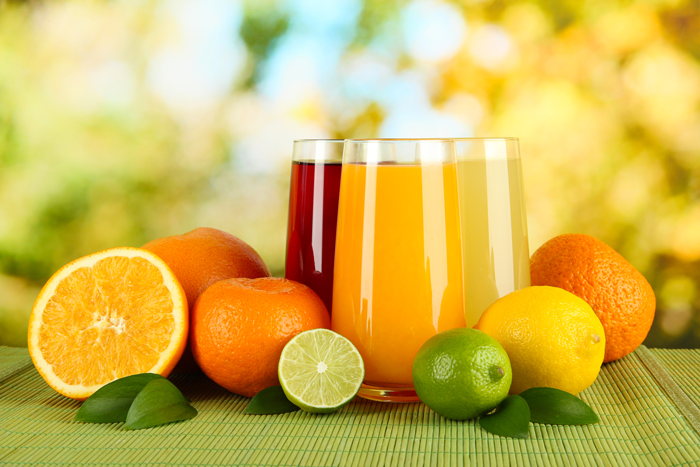
In recent years, the global juice market has blown up to claim a significant share of the beverage industry. In 2019,revenues in the juices segment are projected to reach upwards of $3 billion.
There are currently about 6,000 companies producing high-quality juice in the U.S., and the annual market growth between 2014 and 2019 is 1.8%. As consumers continue to shift toward wholesome, more nutritious eating habits, they’re increasingly interested in fresh, healthy, minimally-processed juices they can grab on-the-go.
The question, then, is how juice processors can create those as efficiently as possible. High quality juice is challenging to make seeing as it contains so many different ingredients that must be processed in ways that do not compromise the nutritional quality of the finished product.
The amount of information out there can be overwhelming but this article can serve as on overview of the basic types of equipment involved in juice manufacturing. Here is what companies breaking into the juice industry need to get started.
The 6 Critical Pieces of Juice Processing Equipment
Regardless of the type of juice a company wants to produce, most commercial facilities will need the following types of juice processing equipment:
1. The Wash Line
The wash line is the first point of contact for the raw, bulk, ingredients that eventually become juice. They enter a factory and go through a wash line, which cleans them, removes traces of dirt and pesticides, and prepares them for processing. Wash lines have a wide range of what they filter out of the passing product that is determined by the downstream requirement.
Once the ingredients leave the wash line, they are moved by a conveyor belt system into a grinder.
2. The Right Size Reduction Equipment
The grinder is the key piece of machinery that facilitates this process. Grinders can prepare fruit, veggies, and other ingredients for extraction. Grinders come in many sizes and capacities. The grinder a company chooses will depend on their desired rate of processing, the size of the incoming product, and the desired particle size of the ground product. In the juice industry,screw-fed disintegrators are a very popular type of grinder since they integrate controlled feeding with grinding. This direct feeding has eliminated many issues with difficult to feed products such as leafy greens, melons, and root vegetables; as well as reducing the labor required by manual feeding.
Once the material moves through the grinder, a pump transfers it to the extraction equipment.
3. Pumps
Pumps come in a wide variety of designs and sizes. Finding the right type for your process is critical in keeping your line operational. The most common types of pumps in juice processing are progressive cavity pumps and lobe pumps. Progressive cavity pumps have a slightly better capability of dealing with products with large particles or high viscosity. Lobe pumps are better suited for products with high acidity and low abrasiveness. Keep in mind that the pump should only be transferring the ground product to the next stage, not performing any size reduction.
4. Extractors
Juice extractors come in many different styles depending on what fruit or vegetables you’re processing and what your end product objectives are. belt presses, screw presses, rack and cloth presses, and centrifuges. In some cases, a production facility may use several types of equipment to process their product fully. Extraction equipment requires correct size reduction to work optimally. While some extraction companies do offer size reduction equipment accessories, the lack of versatility compromises yield. Failure to bring product to the correct size before the extraction stage is literally throwing money away.
5. Mixing Tanks
Mixing tanks are critical to the juice production process when multiple ingredients are involved. These tanks make it possible to mix concentrate, fruit pulp, preservatives, water, flavor, color, and more. They come in a large selection of sizes, materials, and price ranges.
6. Pasteurizers
Pasteurizers kill potentially harmful microorganisms in the fruit juice before it goes out for human consumption. These pieces of equipment are critical, as unwanted organisms make the juice taste bad and can make people sick. A pasteurizer kills dangerous bacteria and promotes healthy, great-tasting juice.
Additional, Optional Equipment
Water Treatment equipment, which serves the purpose of ensuring the water being used is filtered to the highest standards
Concentration equipment, reduces extracted fruit juice to concentrate for sale or other purposes, like long-term storage
Homogenizers combine liquids in uniform ways, making them ideal for sale or blending
Pulp Collection Tanks for long- or short-term storage. These are often insulated to keep their content’s temperature
Bottle filling and capping equipment eliminates hands-on time and processes materials for sale
Finding the Right Juice Processing Equipment for You
As you can see, there are many types of juice processing equipment available. Choosing the right machines for your company means taking a close look at the kind of juice processing you want to do, the ingredients you use, and your optimal yield.

 Generally speaking. Most pieces of size reduction equipment require a metered feed. This is true for the following reasons:
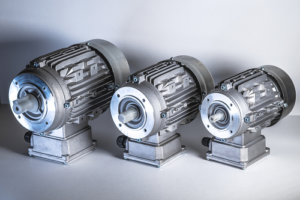 While stainless steel motors seem obvious in the world of food production, for years they were relatively unavailable, especially with motors above 10 horsepower. While washdown-duty motors have been available (motors specifically designed for use in food processing and other applications where the equipment is routinely exposed to washdown, chemicals, humidity, and moisture,) they were all painted. Food processing standards have been increasing over the years. Today, the industry has very high standards for both food safety and cleanliness. The widespread demand for stainless steel motors grew from these sensibly high standards and process equipment manufacturers can now affordably offer these options.
 Sometimes, food grinding can’t be a “one and done” process. When it comes to size reduction, the laws of physics dictate that you can only do so much work in a single pass.
A classic example is in the reduction of a twenty-pound wheel of parmesan cheese.
Say you need to grate this large wheel of cheese for pizza topping. Pizza topping requires a nice, fine grind with no chunks or large clumps of product. If you try to reduce the entire wheel in a single pass, though, you’ll end up with one of two outcomes: you’ll either overheat your material or destroy your machine.
Instead, begin by reducing the wheel of cheese into small pieces via an initial grinding pass – chunks of 0.75”, for example. Once you’ve made a single pass and reduced the material to 0.75”, you can take this output and grind it once again, through a different machine, to create a smaller particle size. This is called double pass grinding. While double pass grinding is common in commercial uses, it’s also utilized by at-home chefs grinding meats and other products.
The process of double pass grinding is essential for a few reasons. The first and most obvious is that it reduces the load on both machines during passes. The amount of load it takes to process a large product directly into its final form factor can be massive. For example, the rotating imbalance of flinging around a 20 pound block of material is enormous and potentially damaging. The objective for companies is to get the material through the mill as quickly as possible without negatively impacting the product or the machinery. Double pass grinding can greatly increase the efficiency of the size reduction operation. This consideration is especially critical for a product which will melt under high heat loads.
Sometimes, food grinding can’t be a “one and done” process. When it comes to size reduction, the laws of physics dictate that you can only do so much work in a single pass.
A classic example is in the reduction of a twenty-pound wheel of parmesan cheese.
Say you need to grate this large wheel of cheese for pizza topping. Pizza topping requires a nice, fine grind with no chunks or large clumps of product. If you try to reduce the entire wheel in a single pass, though, you’ll end up with one of two outcomes: you’ll either overheat your material or destroy your machine.
Instead, begin by reducing the wheel of cheese into small pieces via an initial grinding pass – chunks of 0.75”, for example. Once you’ve made a single pass and reduced the material to 0.75”, you can take this output and grind it once again, through a different machine, to create a smaller particle size. This is called double pass grinding. While double pass grinding is common in commercial uses, it’s also utilized by at-home chefs grinding meats and other products.
The process of double pass grinding is essential for a few reasons. The first and most obvious is that it reduces the load on both machines during passes. The amount of load it takes to process a large product directly into its final form factor can be massive. For example, the rotating imbalance of flinging around a 20 pound block of material is enormous and potentially damaging. The objective for companies is to get the material through the mill as quickly as possible without negatively impacting the product or the machinery. Double pass grinding can greatly increase the efficiency of the size reduction operation. This consideration is especially critical for a product which will melt under high heat loads.
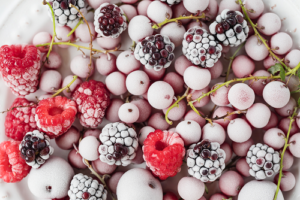 The easiest way to deal with these large drums of material is to conduct the entire process while the material is still frozen. Unfortunately, there’s not much equipment out there that can do it. Most rotary chippers designed for this are ineffective and slow. Other pieces of equipment, like the Reitz Extractor, for example, serve different purposes. The Extractor is a large, stainless steel, high-capacity, meat grinder. While the machinery is robust, it is too expensive or unsanitary for many companies.
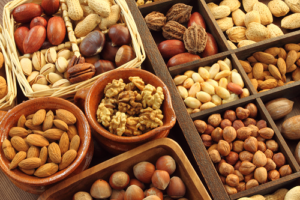 When we process nuts by grinding them to make them into nut butters, we change the way people consume and interact with them. Grinding the nuts makes it easier for people to consume them, digest the nutrient content of the nuts, and incorporate them into their daily diets.
In addition to being convenient and easy to consume, nut butters also pack a dense punch of nutrients. Nut butters are high in fiber, micronutrients, anti-inflammatory fatty acids, and omega-3 fatty acids, to name a few. They’re also excellent sources of protein, and are the perfect grab-and-go snack for people who need something healthy and filling in the middle of a busy day.
Today, the average 2-tablespoon serving of nut butter typically contains about 190 calories, 16 grams of fat, 6 grams of protein, and carbs between 0-8 grams. Whether it’s cashew butter, almond butter, or even hazelnut butter, a growing number of people enjoy these tasty treats.
When we process nuts by grinding them to make them into nut butters, we change the way people consume and interact with them. Grinding the nuts makes it easier for people to consume them, digest the nutrient content of the nuts, and incorporate them into their daily diets.
In addition to being convenient and easy to consume, nut butters also pack a dense punch of nutrients. Nut butters are high in fiber, micronutrients, anti-inflammatory fatty acids, and omega-3 fatty acids, to name a few. They’re also excellent sources of protein, and are the perfect grab-and-go snack for people who need something healthy and filling in the middle of a busy day.
Today, the average 2-tablespoon serving of nut butter typically contains about 190 calories, 16 grams of fat, 6 grams of protein, and carbs between 0-8 grams. Whether it’s cashew butter, almond butter, or even hazelnut butter, a growing number of people enjoy these tasty treats.
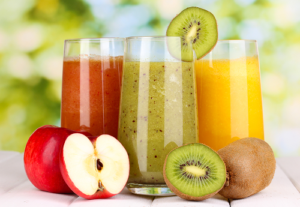 Juice processing is one of the most common applications in fruit and vegetables industries. While many people imagine that juice production involves the juicing of whole food items, that’s not always the case. In fact, many whole food products must be ground or crushed before they can be juiced.
This, of course, requires the assistance of food grinding machines, specifically crushers and angle disintegrators, even for large, difficult-to-move items like apples or pineapples.
Juice processing is one of the most common applications in fruit and vegetables industries. While many people imagine that juice production involves the juicing of whole food items, that’s not always the case. In fact, many whole food products must be ground or crushed before they can be juiced.
This, of course, requires the assistance of food grinding machines, specifically crushers and angle disintegrators, even for large, difficult-to-move items like apples or pineapples.
 Size reduction equipment comes in all shapes and sizes. There are choppers, grinders, screw-fed mills, and disintegrators all designed to suit different needs and objectives. Here are a few of the most common types of size reduction equipment:
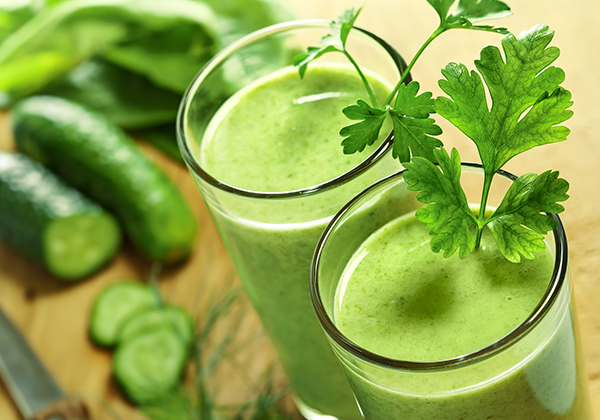 Companies that create fruit or vegetable juices need liquid extraction equipment. Liquid extraction equipment recovers valuable soluble compounds from raw materials and makes it possible for these components to be separated and recovered from the liquid. This critical equipment is popular in many applications outside the juice sector, including the following:
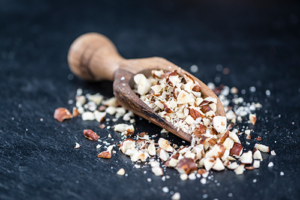 In the food processing industry you’ll often hear the term size reduction. But how does one exactly define that? This article seeks to introduce you to a term called comminution; an excellent term that’s highly under-utilized in the industry.
Comminution is the process/action of reducing solid materials from their standard particle size to smaller average particle size.
Here’s what you need to know:
In the food processing industry you’ll often hear the term size reduction. But how does one exactly define that? This article seeks to introduce you to a term called comminution; an excellent term that’s highly under-utilized in the industry.
Comminution is the process/action of reducing solid materials from their standard particle size to smaller average particle size.
Here’s what you need to know: